How Summer Heatwaves Impact Foundation Stability in Dallas-Fort Worth

The intense summer heatwaves that strike Dallas-Fort Worth every year can have an immediate and profound impact on the stability of residential and commercial foundations. Prolonged high temperatures and drought conditions trigger rapid evaporation of soil moisture, causing the clay-rich soils beneath foundations to contract and shift. This movement can result in cracks, uneven floors, and, in severe cases, measurable foundation settlement within weeks. Understanding these mechanisms, knowing what early warning signs to look for, and taking proactive measures are essential for minimizing risk to your property.
Definition: Foundation Instability Caused by Summer Heatwaves
Foundation instability in Dallas-Fort Worth refers to the loss of level support beneath a building’s concrete slab or pier and beam structure due to the shrinking and shifting of expansive clay soils during extreme summer heat and drought. As the moisture in supporting soils evaporates, the soil contracts, leading to voids and uneven settlement. The effects often include structural cracks, sticking doors or windows, and sloping floors.
Why Dallas-Fort Worth's Foundations React So Strongly to Summer Heat
Homes and buildings in the Metroplex are commonly built on expansive clay soils. These soils dramatically expand when wet and contract when dry. When weeks of high temperatures and little rainfall arrive, the following occurs:
- Soil moisture evaporates quickly from the upper layers around the home.
- Clay shrinks and pulls away from the foundation, often visibly separating from the slab and exposing gaps around the perimeter.
- Loss of uniform support causes sections of the foundation to settle unevenly, generating both cosmetic and structural issues.
In some cases, homes have seen foundation settlement of up to 2 inches in a single month during severe drought and heat, highlighting the risks posed by extreme seasonal changes.
The Summer Heat Cycle: Step-by-Step Breakdown
- Temperatures rise to the high 90s and above, often remaining there for weeks.
- Surface soil moisture evaporates rapidly under sustained sun and wind.
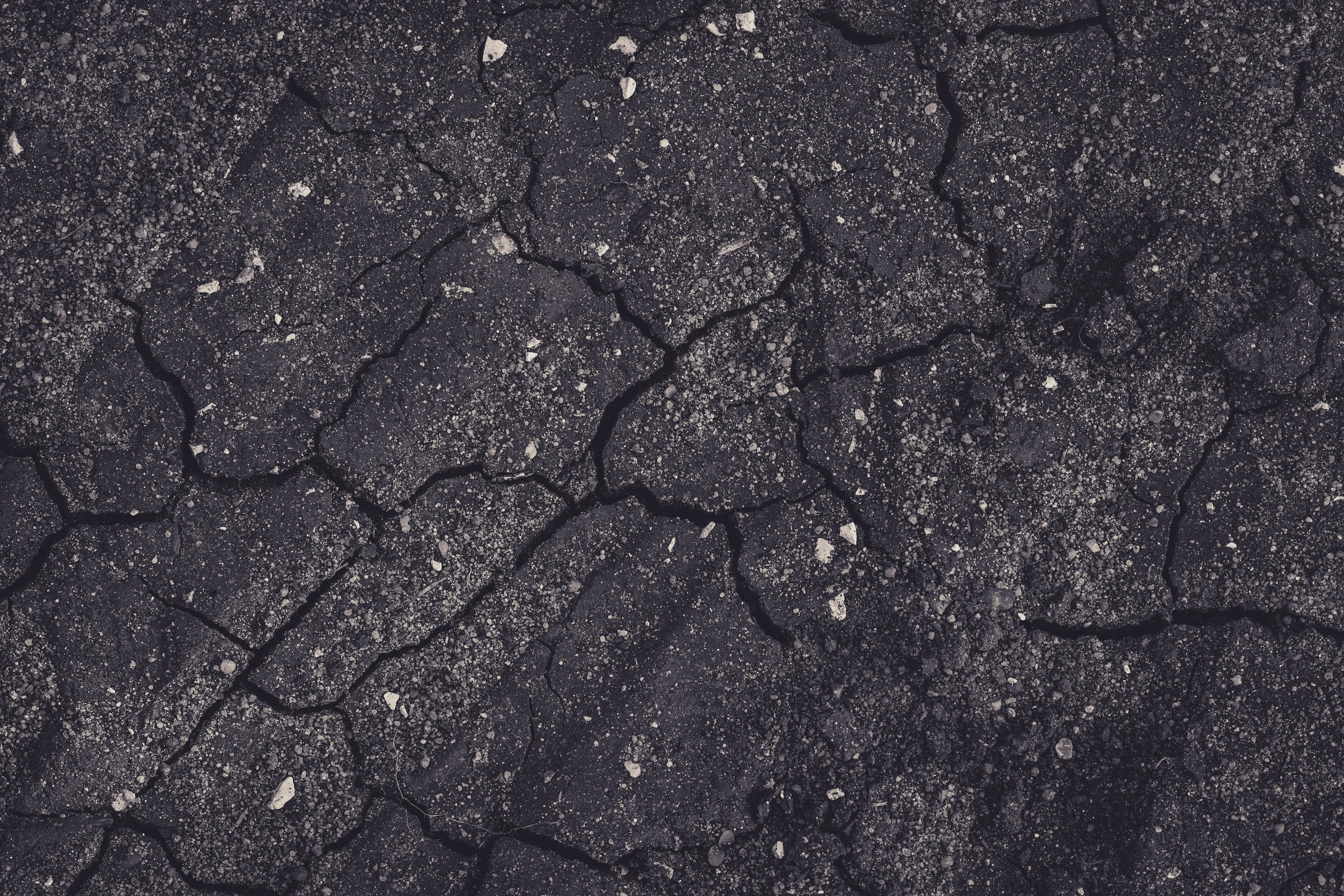
- Clay soils shrink and pull away from the house, forming cracks and exposing the slab or grade beams.
- Voids appear under the foundation, causing loss of support in key areas.
- Foundation settles unevenly, resulting in structural movement.
- Cracks, sticking doors, and misalignments emerge as visible warning signs of movement.

Foundation Types: Concrete Slab vs Pier and Beam
Concrete Slab
A slab foundation rests directly on soil. When expansive clay dries and shrinks, portions of the slab lose support, which can quickly result in visible cracks or a noticeable tilt. Movement as minor as half an inch can lead to problems like cracked bricks, misaligned doors, and buckling floors.
Pier and Beam
Pier and beam systems depend on individual piers to support grade beams and floor joists. Uneven soil contraction during a heatwave affects each pier differently, causing sags, dips, or even structural failure in extreme cases. Crawlspaces in these homes may also experience changing moisture levels that influence both wood and soil stability.
Recognizing Early Warning Signs of Heatwave-Induced Foundation Movement
Interior Indicators
- Cracks in drywall, especially above window and door frames
- Sticking doors and windows that fail to latch or open smoothly
- Noticeable gaps between baseboards and flooring or between walls and ceilings
- Sloping floors or floors feeling uneven when walking
Exterior Indicators
- Cracks in exterior brick or stone veneer
- Visible cracks or separations in garage slabs, patios, or driveway edges
- Soil pulling away from the slab or pier supports, often leaving visible voids
- Wide soil cracks in the yard close to the foundation
Timeline: How Fast Can Heatwave Damage Occur?
- Critical soil moisture loss can occur in just 1-2 weeks of triple-digit temperatures.
- Foundation settlement of up to 2 inches has been documented in less than a month during severe heat and drought.
- Warning signs, such as cracking and door problems, may surface within days to weeks of the start of a heatwave.
Even differential shifts of a quarter inch may be enough to disrupt flooring, tile, or rigid fixtures.
Essential Strategies to Protect Your Foundation During Dallas-Fort Worth Summers
1. Foundation Watering
- Install a soaker hose 12 to 24 inches from the foundation perimeter.
- Start regular watering early in summer before wide soil cracks appear.
- Operate the soaker hose for 15-20 minutes several times per week, adjusting frequency as necessary based on restrictions and soil conditions.
- Watering keeps soil moisture levels consistent and reduces shrinkage cycles.
2. Grade and Drainage Management
- Ensure the yard slopes away from the foundation to prevent puddling near the base.
- Keep gutters and downspouts clean; extend downspouts away from the perimeter.
- Do not allow heavy irrigation or rainfall to collect at the slab or pier locations.
- Avoid planting large trees or shrubs near the foundation where roots may dry or disrupt soil.
3. Ongoing Monitoring During Heatwaves
- Inspect interior and exterior for new cracks or rapid changes weekly.
- Document changes with photos and notes, including measurements if possible.
- Be vigilant when several problem indicators appear in a short period.

When to Seek a Professional Engineering Assessment
Many minor or single cracks may be harmless, but certain patterns require immediate attention from a qualified professional. SPS Engineering’s team of licensed engineers recommends a foundation inspection if you notice:
- Cracks wider than 1/8 inch that develop or widen quickly during summer
- Multiple doors and windows sticking or failing to operate in the same area
- Noticeable floor slopes or rooms that appear out of level
- Visible gaps where soil has pulled away from the foundation on multiple sides
- Recent or prior repair work now showing new signs of movement
An SPS Engineering foundation report provides an objective, independent assessment of both the causes and solutions for movement, including written documentation suitable for contractors and real estate transactions.
SPS Engineering: Foundation Inspections and Reports for Every System
Concrete Slab Foundation Report
- Unbiased evaluation by a licensed professional engineer
- Detailed inspection of visible movement, cracks, and soil/drainage conditions
- Clear written recommendations and repair scope, if needed
- Available for $500 (typical single-family home, 1 hour on-site)
- Book at info@dfwsps.com or 469-629-6247
Pier and Beam Foundation Report
- Comprehensive crawlspace and structural system analysis
- Inspection addresses pier support, grade beam stability, moisture, and ventilation
- Actionable, engineer-level recommendations tailored to Texas clay soils
- Available for $650 (1 hour on-site)
We provide fact-based, unbiased reporting—never tied to selling repair work—so you can make confident decisions about long-term property stability.
Best Practices: A Seasonal Checklist for DFW Homeowners
- Spring: Inspect for pre-existing cracks and ensure the landscape slopes away from your house
- Early Summer: Establish a watering regimen and record a baseline of doors, windows, and flooring conditions
- During a Heatwave: Water more frequently, monitor for new cracks or changes, and document all observations
- Contact SPS Engineering promptly if rapid or multiple changes emerge
FAQ: Foundation Stability During Dallas-Fort Worth Heatwaves
What are the first signs of foundation problems from summer heat?
Common early warning signs include new cracks in drywall or brick, doors or windows that become difficult to operate, and visible gaps where soil has pulled away from the foundation.
Should I water my foundation during a heatwave?
Yes, consistent watering with a soaker hose placed 12–24 inches away from the foundation helps maintain stable soil moisture and reduces shrinkage cycles. Follow local water restrictions.
How do concrete slab and pier and beam foundations respond differently to heat?
Slab foundations may crack or tilt as clay soils shrink beneath them, while pier and beam structures can develop uneven support, sloping floors, and moisture-related issues in crawlspaces.
At what point should I call for a professional foundation inspection?
Call SPS Engineering if cracks wider than 1/8 inch appear or widen quickly, if multiple doors or windows suddenly stick, or if significant floor slope is observed, especially during or after a heatwave.
Is an engineer’s report required before hiring a repair contractor?
While not legally required, a professional engineering inspection ensures you receive an accurate, unbiased scope of work and helps prevent unnecessary or incomplete repairs.
What documentation will I receive from SPS Engineering?
You receive a detailed, engineer-certified report outlining current foundation conditions, movement risks, and actionable recommendations. This report is suitable for repair planning, real estate disclosures, and warranty claims.
Conclusion: Stay Proactive and Informed
With Dallas-Fort Worth’s climate set for continued hot, dry summers, proactive monitoring and prompt response to soil movement are essential for long-term structural health. Implementing steady soil moisture practices, maintaining drainage, and calling for independent engineering assessments as soon as warning signs arise significantly reduces the risk of costly damage. When movement becomes evident, turning to SPS Engineering for objective inspections and data-driven recommendations is the best strategy to protect your investment.