Where Should Your Downspouts Drain to Protect a North Texas Foundation?

Your home’s downspouts play a crucial role in defending your foundation, especially in North Texas. The correct drainage location for downspouts directly affects the durability and stability of slab and pier-and-beam foundations. For optimal protection, downspouts should drain a minimum of 4 to 6 feet away from the foundation—ideally, 5 to 10 feet if your site, grading, and yard conditions allow. Discharging roof runoff right at the base of your house exposes the foundation to North Texas’ notoriously expansive clay soils, leading to a higher risk of cracking, settlement, and structural movement.
At SPS Engineering, our team has seen countless cases where improper downspout drainage led to foundation distress. Moving runoff away from the foundation zone isn’t just a best practice—it’s vital for preventing both immediate and long-term damage, especially where soils expand and contract after every storm and dry spell. Below, we’ve compiled a comprehensive guide to downspout drainage tailored specifically to North Texas homes, backed by our experience in foundation evaluation and structural inspection.
Definition: Downspout Drainage and North Texas Foundations
Downspout drainage refers to the system that carries water collected from your roof’s gutter system away from the base of your home. In North Texas, this is critical, as the majority of homes rest on clay-rich soils highly susceptible to expansion and contraction. When water repeatedly saturates the soil around a foundation, it can cause severe movement, leading to cracks, settlement, and even costly repairs.
Why Does Downspout Location Matter So Much?
North Texas soils—primarily clay—expand dramatically when wet and shrink during drought or dry conditions. Consistent wetting and drying cycles place immense pressure on foundation elements and lead to shifting, especially when water is focused near the slab or support piers. In fact, runoff from your roof during a single thunderstorm can add up to thousands of gallons, rapidly creating problems if not channeled away. As SPS Engineering routinely observes, even homes with well-installed gutters are at risk if the downspout outlets are too close.
Step-by-Step: How to Achieve Proper Downspout Drainage
- Assess Your Current Downspout Discharge Points
Walk around your property and check where each downspout terminates. Is the water being released next to exterior walls or directly at the base? - Measure Extension Distance
Aim for at least 4 to 6 feet. If possible, extend to 5 to 10 feet, especially where lawns are flat, soil stays wet, or there’s poor slope. - Check Yard Slope
Ensure that runoff from downspouts continues to flow away from your foundation after it is discharged. Water should never pool or return toward the house. - Install Extensions, Bury Pipes or Pop-Up Emitters
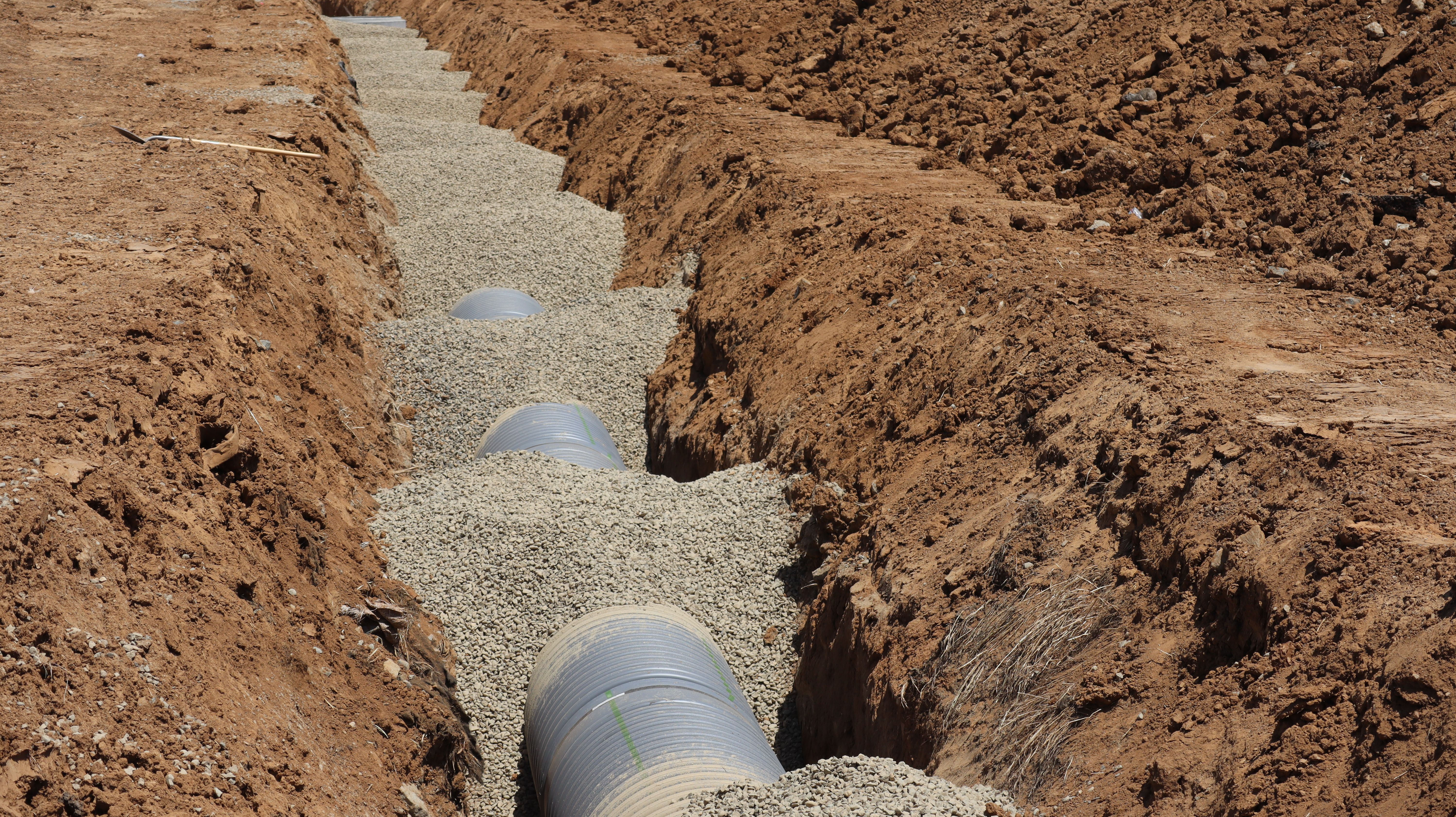
Depending on landscaping and aesthetics, use above-ground rigid extensions, buried drain lines, or pop-up emitters to move water to safe zones. - Test After Modifications
After making changes, test your system during rain (or with a hose) to confirm water moves steadily away without ponding near the house.
Best Practices for Downspout Drainage in North Texas
- Never discharge downspouts at the foundation—this is the single most important rule for protecting structural integrity.
- Extension distance matters—the further water moves from the slab, the less risk of soil movement right below the structure.
- Opt for positive yard slope—ensure the first several feet after discharge are sloped away from your home.
- Bury downspout lines with correct slope—at least 1/4 inch per foot (about 2% grade) to prevent backups or clogs.
- Direct discharge away from patios, walkways, and neighboring lots to prevent erosion or disputes.
- Inspect and clean your system at least twice a year, and immediately after severe storms.
- For tougher drainage challenges, consult professional experts like SPS Engineering for thorough drainage system evaluation and foundation risk assessment.
Comparison: Popular Downspout Drainage Options
- SPS Engineering’s Recommendation: Prioritize moving water far from the structure using extensions, underground pipes, and site grading tailored to your lot’s conditions. Foundation inspections by SPS Engineering can diagnose hidden drainage and settlement issues before they escalate.
- Above-Ground Extensions: Easy to install, cost-effective, suitable for lots with good grading. The main limitation is appearance and potential trip hazard.
- Splash Blocks: Useful as an initial deflection tool but rarely sufficient as a complete solution.
- Buried Drain Lines: Best for long runs or when you need to move water below surface level. Requires careful installation to maintain slope and avoid clogging.
- Pop-Up Emitters: Good for a tidy finish to underground drainage, releasing water only when the system is under flow.
Common Mistakes to Avoid
- Stopping downspout runs less than 4 feet from foundation walls.
- Using flexible extensions that sag, clog, or reverse direction.
- Allowing outlets to dump water toward patios, driveways, or low yard areas that can flood or erode.
- Neglecting regular maintenance of gutters and elbows, leading to blockages or overflows.

Warning Signs: Is Your Downspout Too Close?
- Puddling or ponding of water along exterior walls, especially after rain.
- Trenches, soil erosion, or muddy areas where downspouts exit.
- Visible cracks forming along the slab, brick, or interior drywall.
- Doors and windows sticking, floors sloping, or unusual settling observed inside.
- Evidence that flexible or short pipe extensions are shifting or clogging.
When to Request a Professional Inspection
If you notice any of the above warning signs, a professional evaluation by SPS Engineering is strongly recommended. Issues like recurring cracks, sticking doors, or significant soil movement are often symptoms of more serious underlying foundation problems, sometimes caused or worsened by drainage issues. SPS Engineering specializes in independent, unbiased foundation inspections and drainage system evaluations across Dallas-Fort Worth. Our expert engineers deliver clear, actionable reports that tell you exactly what steps to take.
For a deeper look at related drainage and structural concerns, see our blog: Is Your Retaining Wall Leaning? When DFW Homeowners Need a Structural Inspection.
North Texas Rule of Thumb
The simplest, most effective guideline for homeowners is: Always ensure downspouts release water a safe distance from the house—never directly at the foundation. Four to six feet is the bare minimum. Where possible, extend out to ten feet, especially on properties with flat grading or stubborn clay soil. Consistent attention to drainage can prevent nearly all water-related foundation movement in our region.
Frequently Asked Questions (FAQ)
How far should downspouts drain from the foundation in North Texas?
Downspouts should discharge at least 4 to 6 feet away from the foundation, with 5 to 10 feet preferred to accommodate clay soil and reduce risk of movement.
What is the risk of draining too close to the house?
Allowing roof runoff to pool at the base of your home invites soil expansion and contraction cycles that destabilize the foundation. This can cause cracks, settlement, and expensive repairs.
What drainage system is best for a flat or poorly graded North Texas yard?
Buried drain lines or long above-ground extensions work best for flat yards. SPS Engineering recommends professional evaluation for challenging landscapes or persistent pooling.
How frequently should I inspect downspouts and drainage lines?
Gutter and downspout systems should be checked and cleaned at least twice yearly, plus after any major storm event.
When is a foundation inspection necessary?
Cracks, doors that stick, sloping floors, or continued pooling near the slab are all signs that a full foundation and drainage assessment by SPS Engineering may be needed.
Does extending the downspout solve all water problems?
While extending downspouts is the first defense, complex site conditions, ground saturation, and improper grading may require more advanced drainage solutions, including engineered modifications or retaining walls.
Conclusion
Protecting your North Texas home’s foundation starts with the right downspout strategy. Water should never be discharged at the base of your house—aim for at least 4 to 6 feet away, and 5 to 10 feet whenever possible. Monitor your system, maintain extensions, and address any warning signs early. If you encounter stubborn drainage issues or need expert structural insight, trust the licensed engineers at SPS Engineering for clear, unbiased foundation and drainage evaluations across Dallas-Fort Worth. For more information or to request a consultation, visit our homepage or contact us today.