Why Do Floors Feel Bouncy in a Pier and Beam House?
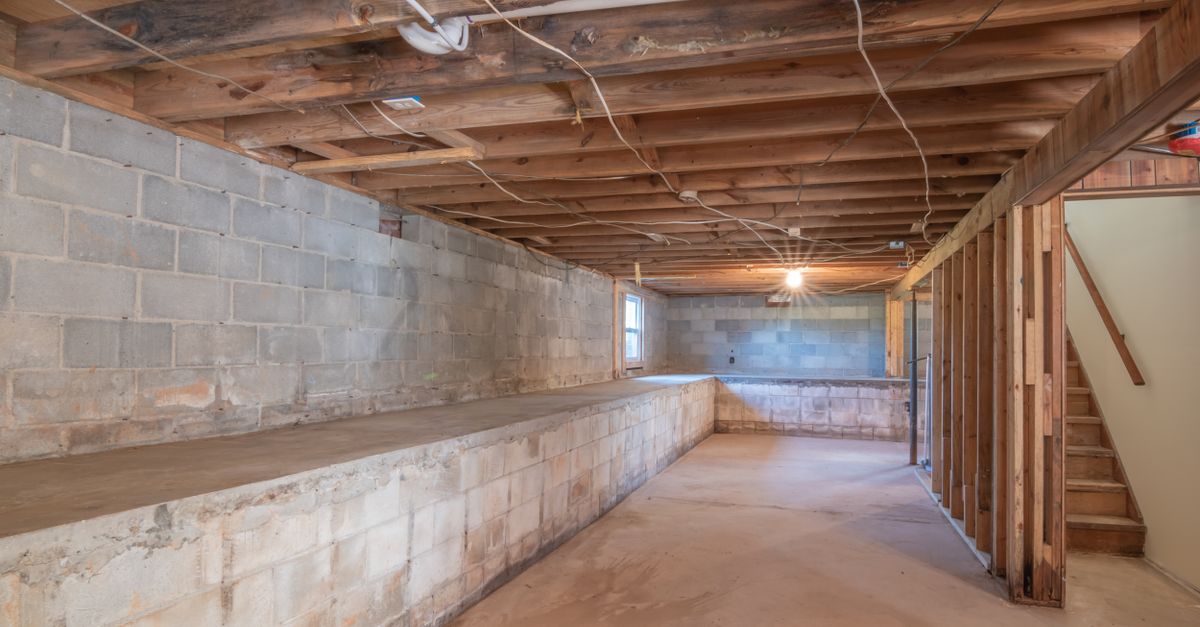
A bouncy floor in a pier and beam house means part of the floor system moves noticeably when it carries a load. The cause might be flexible joists, a sagging beam, a pier that has lost firm contact, weakened wood, or a loose connection between supports. The sensation alone cannot tell you which component is responsible, and it does not automatically mean the entire foundation needs repair.
The distinction matters because the floor transfers weight through a series of connected parts: subfloor, joists, beams, piers, footings, and soil. Movement at one point can make the floor above feel springy even if the finished flooring looks intact. At SPS Engineering, we recommend tracing that load path before deciding whether the right response is a framing repair, a support repair, moisture correction, or simply monitoring an established condition.
Wood floors can flex under ordinary use. A floor that has always felt mildly flexible is different from one that suddenly develops a soft spot, visibly sags, or moves more each month. New or worsening bounce, especially alongside water damage or a displaced support, calls for a closer look.
What does a bouncy floor actually mean?
Bounce is movement you feel when a floor deflects and recovers under a person walking or another changing load. Deflection is the downward movement itself. Vibration is the motion you may feel or hear after a step, sometimes accompanied by rattling objects. A floor can be flexible without being visibly out of level, and an uneven floor can feel firm despite its slope.
Those differences offer clues. A broad, springy area near the middle of a room can point toward joist or beam flexibility. A small soft spot near a bathroom may point toward subfloor or joist damage associated with moisture. A floor that dips near a beam line may raise questions about support beneath that beam. None of these patterns proves a cause on its own. The same symptom can arise from different combinations of framing and foundation conditions.
How a pier and beam house carries floor loads
Think of the support system as a chain rather than a single foundation component. In a typical arrangement, the finished floor rests on a subfloor. Joists support that subfloor and carry loads to beams or other bearing points. Beams transfer loads to piers or posts, which pass them through footings to the soil. The details vary from house to house, so an inspection needs to follow the actual framing layout rather than assume every home has the same arrangement.
- Subfloor: Boards or panels beneath the finished surface. If they are loose or damaged, a limited area may feel soft even when the larger support system remains stable.
- Joists: Members that span between supports. Their condition, size, spacing, and unsupported length all affect how the floor responds to foot traffic.
- Beams: Members that collect loads from joists or other framing. A change in beam support can affect a wider strip of flooring.
- Piers, posts, and bearing points: These provide support at selected locations. Gaps, movement, deterioration, or poor contact can change how the beam carries weight.
- Footings and soil: These provide the underlying bearing. If their support changes, the effect may become noticeable several components above.
This is why replacing flooring alone rarely resolves bounce caused by a beam or pier. Conversely, adding a pier will not necessarily solve a weak subfloor. The useful question is not simply, “Is the foundation moving?” It is, “Where does the load path stop working as intended?”
Why do pier and beam floors become springy?
Joists or subflooring flex underfoot
A joist bends when it carries a load. Longer unsupported spans generally allow more movement than shorter ones, all else being equal. Joist condition and framing layout also matter. If the floor feels firm near its supports but more flexible between them, the span deserves attention.
Sometimes the movement is concentrated above one joist or within the subfloor rather than across the entire room. Loose or deteriorated subfloor material can make a step feel soft or produce noise without indicating that a pier has settled. An inspection should distinguish movement in the surface layers from movement in the structural framing beneath them.
A beam has sagged or lost firm support
Because a beam can carry several joists, a problem along it may affect more than one spot. A beam may deflect between supports, or it may no longer bear firmly at a pier. Either situation changes how loads move through the floor. You may notice a broad band of movement rather than a single soft patch.
A visible gap at a support is an important clue, but it needs interpretation. The gap could involve a shim or bearing connection, or it could reflect movement elsewhere in the support system. Filling it without understanding why it appeared can conceal the symptom without resolving the cause.
A pier or the soil beneath it has moved
A pier that settles, tilts, or loses effective contact can leave a beam spanning farther than intended. The floor above may then sag, flex, or develop a change in slope. Not every settled pier creates obvious bounce, and not every bouncy floor has a settled pier. The relationship must be checked against the beam, nearby supports, and the floor pattern.
In the Dallas-Fort Worth area, changing soil moisture is relevant to foundation performance. Expansive clay can change volume as moisture conditions change, while drainage or a plumbing leak can create uneven conditions near a home. Soil behavior is part of the investigation, not a diagnosis based solely on the season. If you have noticed changes after a dry period followed by rain, our article on what happens to a foundation when drought ends with heavy rain explains why timing is worth recording.
Moisture has damaged wood or loosened a connection
Water reaching a crawl space or framing can lead to deterioration over time. A plumbing leak, poor surface drainage, or persistent dampness may affect the subfloor, joists, beams, or bearing points. Watch for staining, soft wood, visible decay, or a musty odor alongside changes in floor movement. A musty smell alone does not establish that the framing has lost strength, but it is a reason to investigate the moisture source.
Our guide to a musty crawl space and foundation concerns covers the value of separating a moisture issue from a structural one. Both may need attention, and repairing framing without addressing ongoing water entry can leave the underlying problem in place.
Remodeling has changed the framing or the load
Work performed above or below the floor can alter the load path. A joist cut to make room for a duct, a modified beam, or the removal of a load-bearing element may change how a floor behaves. Added heavy fixtures or a changed room use can also bring an existing weakness to your attention. The timing matters: if bounce began after a renovation, record what changed and where.
A floor may also have felt flexible for years because of its original framing configuration. That does not make every long-standing bounce harmless. It does mean an evaluator should compare the current condition with available history before prescribing a foundation repair for what may primarily be a framing issue.
Reading the pattern without guessing at the repair
We use a simple distinction when discussing bouncy floors with homeowners: identify where the movement occurs, what else changes with it, and what lies beneath that location. Each answer narrows the investigation, but none replaces a look at the structure.
- One small spot: Check for a local subfloor or joist issue, particularly if the surface also feels soft. A nearby leak makes moisture a relevant concern.
- A broad area between supports: Joist span and stiffness become more relevant. Note whether the bounce is strongest away from walls or known beam lines.
- A strip crossing several joists: A shared beam or bearing condition may be involved. Look for related sag or slope rather than treating each spot separately.
- Bounce plus an uneven floor: The combination warrants a closer look at the framing and supports. Slope alone does not establish whether movement is active.
- Movement that appeared after rain, a leak, or remodeling: Document the timing. It may help connect the symptom to moisture, support conditions, or altered framing.
If you are using floor-level measurements to understand a change, remember that elevations describe shape and relative differences. They do not identify the cause by themselves. We explain that distinction in what foundation elevation readings can and cannot tell you.
What can you safely check before an inspection?
You do not need to diagnose the house yourself. A few careful observations can make a professional evaluation more focused and give you a useful record if conditions change.
- Mark the locations. Note which rooms and parts of each room move. Distinguish a soft patch from a wider area that vibrates when someone walks across it.
- Describe the movement. Does the floor rebound after a step, creak, feel spongy, or stay visibly lower? Does furniture rattle? Ordinary walking is enough to observe the symptom; avoid trying to stress the floor with added weight.
- Write down when you first noticed it. Include recent leaks, rain, dry weather, remodeling, or changes in the way the room is used. Note whether the condition seems stable or is getting worse.
- Look for related interior changes. Visible sagging, new gaps at trim, cracks, or doors that have begun sticking may help establish whether the concern extends beyond one floor surface. None is conclusive on its own.
- Check accessible areas for water. From a safe location, look for plumbing leaks, standing water, stained wood, or drainage that directs water toward the home. Do not enter a crawl space with unsafe access, exposed electrical hazards, or visibly unstable framing.
- Keep photographs and repair history. Pictures of an accessible support, leak, or change in the floor can help explain what you observed. Records of earlier foundation or framing repairs provide context for evaluating current conditions.
Do not lift a beam, tighten a loose connection by guesswork, or place a new post beneath the floor based only on where it feels springy. A new support needs a suitable path for the load it receives. Lifting can also affect finishes and connected building systems. Document first, then determine the cause and repair scope.
When should a bouncy floor be evaluated promptly?
A floor that has always had slight, uniform flexibility may not call for the same response as a new localized drop. Arrange a prompt structural assessment if you notice any of the following:
- The bounce appears suddenly or becomes noticeably worse.
- Part of the floor feels soft, spongy, or visibly lower than the surrounding area.
- Framing looks deteriorated, split, or displaced.
- A beam appears to have lost contact with a support, or a pier looks tilted or damaged.
- An active leak or standing water is present beneath the affected area.
- The change follows removal or alteration of framing during a renovation.
- Floor movement is accompanied by new changes in walls, doors, or other parts of the house.
If a floor has dropped substantially or a support appears to be failing, avoid using that area until it has been assessed. If water is actively leaking, address the leak as well as the structural concern. A repair recommendation is most useful when it accounts for both the damage and the condition that caused it.
What does an engineering assessment add?
Feeling bounce tells you where to begin, not what to buy. A structural assessment brings the floor framing and foundation into the same conversation. The evaluator can consider the movement reported inside the home alongside accessible joists, beams, bearing points, piers, signs of moisture, and the history of repairs or remodeling. The aim is to distinguish a localized floor problem from a broader support issue and define what actually needs attention.
SPS Engineering’s Pier and Beam Foundation Report provides an examination of the foundation’s current condition with insights and recommendations. Our independent foundation inspections and structural assessments serve homeowners and property professionals across the Dallas-Fort Worth Metroplex. Because we do not have a financial interest in the repair work, our reports can help homeowners understand a proposed scope before authorizing it.
That independence is useful when two repair estimates focus on different parts of the house. One proposal might address a pier while another recommends framing work. An engineering evaluation helps establish whether either approach addresses the source of the bounce, whether related moisture conditions need attention, and which observations support a repair recommendation. For a closer look at that distinction, see our discussion of a foundation engineer report versus a repair estimate.
How are bouncy pier and beam floors repaired?
The right repair follows the failed or inadequate part of the load path. There is no single fix for a floor that feels springy. Depending on what an evaluation finds, a repair may involve the floor framing, beam bearing, piers or footings, moisture source, or more than one of these.
If the problem is in the floor framing
Repair may focus on damaged subfloor material, joists, or other framing connections. If the framing is sound but too flexible for the span or loading, a designed reinforcement may be appropriate. The key is to establish which members are moving and how they are supported before choosing where to add strength or support.
If the problem is at a beam or pier
A beam that sags or lacks reliable bearing may require work at its support points or repair to the beam itself. If a pier or footing has moved, the repair needs to address that condition rather than simply hide a gap above it. A support added without adequate bearing below can create another problem instead of a durable fix.
If moisture contributed to the problem
Stop the water source and assess any affected materials. For a plumbing leak, that means correcting the leak and determining whether the wood has been damaged. For surface drainage, examine where runoff collects and where downspouts discharge. Our article on downspout drainage for a North Texas foundation offers practical context for keeping roof runoff away from the home.
Some houses have more than one contributing issue. A damp crawl space may weaken framing while an unrelated support condition changes the beam’s bearing. Repairing only the most visible symptom can leave the floor feeling much the same. That is why we favor a diagnosis that connects each proposed repair to an observed condition.
Best practices before you approve repair work
- Ask what causes the bounce, not just where work will happen. A useful explanation should connect the interior symptom to a joist, beam, support, moisture condition, or combination of conditions.
- Separate foundation work from framing work. Pier adjustments cannot restore deteriorated wood, and new flooring cannot correct a support that has lost contact.
- Resolve active water problems. If water is reaching the crawl space or wood framing, a structural repair should be considered alongside moisture correction.
- Request a defined scope. The recommendation should identify the problem area and intended outcome. This makes proposals easier to compare and completed work easier to assess.
- Keep records. Save photographs, the assessment, repair proposals, and completion documentation. They may be useful if conditions change or you later sell the home.
Once repairs are complete, compare what was done with the recommended scope rather than judging success solely by whether the floor immediately feels different. Our guide to checking whether a foundation repair was completed correctly explains why documentation matters.
Frequently asked questions about bouncy pier and beam floors
Is some bounce normal in a pier and beam house?
Wood-framed floors can have some perceptible flexibility. What matters is the amount and pattern of movement, whether it is changing, and whether it accompanies soft wood, visible sagging, a support gap, or other concerning conditions. A newly bouncy spot deserves more attention than a stable, long-standing feel throughout a room.
Does a bouncy floor mean a pier has settled?
Not necessarily. Joists, subflooring, beams, and connections can all cause movement. Pier settlement is one possibility, particularly if a beam has lost bearing, but the support system needs to be examined before attributing the bounce to a pier.
Why does the floor bounce in the middle but feel firm near the walls?
The middle of a span can move more than areas near a support. That pattern may point toward joist flexibility or another framing issue, but the location of beams and bearing walls varies by house. The framing layout beneath the room provides the context needed to interpret it.
Can a plumbing leak make a floor feel springy?
Yes. Water can damage subflooring or structural wood, and a localized soft spot near a bathroom, kitchen, or laundry area warrants a moisture check. Find and correct an active leak, then assess whether the affected materials still provide adequate support.
Will adding a post fix the bounce?
Only if the post addresses the actual cause and transfers its load to suitable support below. It will not fix damaged subflooring, a leak, or weakened joists elsewhere. Do not add or adjust supports without evaluating the load path and the effects of lifting.
Should I worry if the floor is bouncy but there are no wall cracks?
Yes, if the movement is new, worsening, or concentrated in one place. Wall cracks are not required for a floor-framing or support problem to exist. Evaluate the floor on its own symptoms rather than waiting for a different sign of movement.
What if a seller says the floor has always felt this way?
History helps, but it does not establish the condition of the framing and supports today. If you are buying a home, an independent assessment can help distinguish established flexibility from damage or inadequate support. Our article on foundation inspections before buying a DFW house explains the value of evaluating concerns before a purchase decision.
How much does a pier and beam foundation report cost?
Our Pier and Beam Foundation Report is listed at $650, with a service duration of one hour. It provides an examination of the foundation’s current condition and recommendations to help inform property and repair decisions.
The bottom line
A bouncy pier and beam floor is a symptom, not a repair plan. It may originate in the subfloor, joists, beams, piers, or the conditions supporting them. Map where and when the movement occurs, check safely for water or visible damage, and have new or worsening bounce evaluated before paying for work that may not address the cause.
For Dallas-Fort Worth homeowners who want an independent assessment before making that decision, SPS Engineering offers a pier and beam foundation report focused on the foundation’s condition and clear recommendations.