Foundation Maintenance Checklist for DFW Homeowners Before Fall
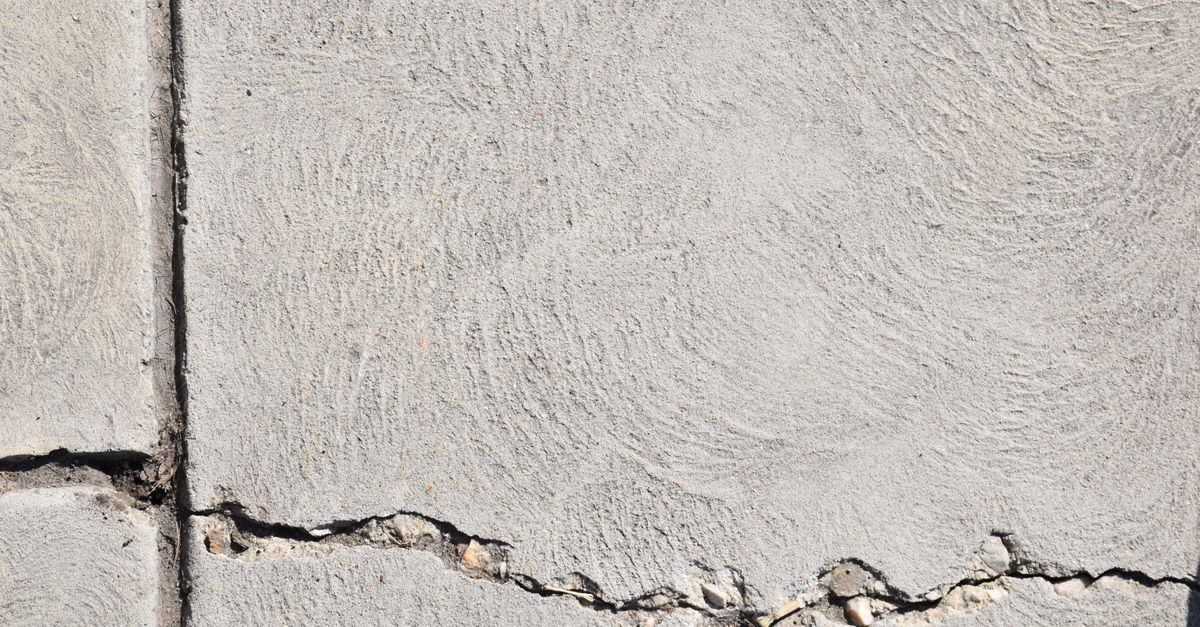
Preparing your home's foundation for fall is a crucial responsibility for every Dallas-Fort Worth homeowner. The region's unique clay soils react to weather fluctuations, making seasonal transition periods like late summer and early fall critical for targeted maintenance. By following a detailed checklist, you can greatly reduce the risk of costly foundation movement, structural cracks, and water intrusion—protecting your investment as the weather cools and rainfall patterns shift.
This comprehensive fall foundation maintenance guide is curated by SPS Engineering, your trusted expert in Dallas-Fort Worth foundation inspections. Our goal is to provide DFW homeowners with authoritative, fact-based steps you can execute yourself, while clarifying when professional engineering support is essential for the health and safety of your property.
What Is Fall Foundation Maintenance?
Fall foundation maintenance is the process of inspecting, adjusting, and safeguarding the structural base of your home as temperatures drop and the risk of soil movement increases. In DFW's climate, this means looking for foundation cracks, evaluating drainage and water flow, adjusting irrigation, and checking for warning signs of potential issues. Ideally, these checks are completed before heavy fall rains and cooler days arrive.
Why Fall Maintenance Matters in DFW
DFW foundations are commonly built on expansive clay soils. These soils shrink in drought and rapidly swell with rainfall—a cycle that causes surface and subsurface movement. This movement is a leading cause of structural damage including:
- Cracks in bricks, walls, and slab surfaces
- Sticky or out-of-alignment doors and windows
- Gaps at trim, baseboards, or crown molding
- Uneven, sloping, or soft floors
By addressing potential risks before the fall weather shift, homeowners can stabilize soil moisture, direct water safely away, and address minor cracks before they become major repairs. SPS Engineering recommends every DFW homeowner perform these checks at least twice per year, specifically before the fall and after major weather events.

DFW Homeowner’s Fall Foundation Maintenance Checklist
Step 1: Inspect Foundation Perimeter and Structure
- Walk the perimeter: Look closely at all visible slab edges, brick veneer, siding, and joints between patios or driveways and the main foundation.
- Document cracks and gaps: Note any new or expanding cracks (especially diagonal or stair-step patterns), widening mortar lines, or separations at corners and openings.
- Check for symptoms: Inside, look for cracks near windows and doors, sticky doors, or uneven floors using a level. Multiple issues in a single area (like cracking plus a sticky door) often indicate localized movement that should be examined by an engineer.
Step 2: Evaluate and Improve Drainage
- Ensure that the soil grades away from the foundation (targeting about 6 inches of slope over 10 feet from the slab).
- Identify and correct low spots where water pools after a rain by filling with compacted topsoil and restoring positive drainage.
- Clean gutters and downspouts fully. Extensions should discharge water at least 5 to 10 feet from the foundation. Check for overflowing or clogged areas by looking for soil erosion at the drip line.
- Seal or repair gaps between driveways, sidewalks, and the foundation to prevent water from seeping underneath.
If you notice persistent drainage problems or see water pooling directly against your foundation that does not drain quickly, a professional drainage evaluation from SPS Engineering can help determine the most effective solution.

Step 3: Adjust Foundation Watering Practices
- Shift from summer routines: Reduce the frequency and duration of soaker hose runs as rain increases and temperatures cool (typically 2-3 times weekly, 15-30 minutes per zone, as needed).
- Check actual soil moisture: Use a small spade 12 to 18 inches from the slab, digging about 6 inches deep. Soil should be cool and slightly damp, never dry and powdery or muddy.
- Avoid overwatering, which can cause swelling and lifting of clay-based soils. If the soil is soggy, adjust irrigation downward and double-check drainage before expected rainfall.
The goal is to maintain consistent moisture around the perimeter, preventing both drying cracks and sudden soil expansion. Proper foundation watering, especially when combined with drainage management, is one of the most critical long-term strategies recommended by SPS Engineering.
Step 4: Landscape and Vegetation Management
- Keep mature trees roughly as far from the foundation as their height. Large, thirsty trees planted within 10–15 feet can cause soil shrinking and uneven settlement.
- Consider professional root barriers or planned removal for problematic tree species near the slab.
- Apply 2–3 inches of mulch around landscaping beds but never pile mulch against concrete edges. Keep beds several inches away from exposed slab for ventilation and inspection access.
- Trim shrubs and roots during fall to ensure adequate airflow and visibility around the foundation.
Step 5: Seal Cracks and Entry Points
- Hairline cracks in slab or masonry can often be sealed with appropriate concrete or masonry sealants to prevent water infiltration over winter.
- Gaps at doors, windows, and utility penetrations should be checked and re-caulked as needed to keep out moisture and pests.
- Any cracks rapidly expanding or exceeding 1/8 inch, or multiple issues in one area, warrant immediate evaluation by a licensed foundation engineer.
SPS Engineering offers in-depth foundation inspection reports for both slab and pier/beam homes, providing unbiased, engineering-driven recommendations for repairs and moisture control.
Step 6: Special Considerations for Pier and Beam Homes
- Inspect crawl space areas for standing water, damp soil, or signs of mold and rot. Confirm vapor barriers are intact and examine supports for shifting or deterioration.
- Check for signs of sagging or bouncing floors, which may indicate pier settlement or moisture-related wood movement.
Pier and beam systems typically require inspection and maintenance of both the subfloor structures and crawl space to prevent long-term movement and costly repairs. If you own a pier and beam home, consider a dedicated Pier and Beam Foundation Report for a detailed condition assessment.

Recommended Frequency for Foundation Maintenance
- Perform foundation walk-throughs, both inside and out, at least twice a year (spring and fall).
- Conduct additional drainage inspections after heavy storms or unusually rainy fall periods.
- Schedule a professional foundation inspection every few years, or immediately if you observe persistent or worsening symptoms.
This proactive approach, supported by SPS Engineering's independent evaluations, helps homeowners avoid both unnecessary repairs and hidden structural risks.
When to Involve a Licensed Structural Engineer
- Diagonal cracks growing wider than 1/8 inch at windows, doors, or corners
- Multiple doors and windows in a localized area stick or fail to latch
- Visible displacement of slab edges or significant sloping floors
- Ponding water directly against the foundation for more than 24 hours
- Recurring cracks that reopen after cosmetic repair
Unlike contractors, SPS Engineering delivers unbiased reports with no financial interest in performing repairs. This support gives you peace of mind, control over repair scope, and trusted documentation for real estate transactions or negotiations.
Foundation Maintenance Best Practices
- Regularly inspect both inside and outside of your home for new or worsening symptoms
- Maintain consistent soil moisture and proper landscape grading
- Clear gutters and downspouts before fall weather
- Proactively seal small cracks to prevent moisture entry
- Engage a professional engineer at the first signs of significant or multi-symptom problems
- For complex or subtle settlement patterns, always use an independent engineering team like SPS Engineering for a third-party, data-driven assessment
How SPS Engineering Supports DFW Property Owners
As the Metroplex’s trusted authority in foundation and structural analysis, SPS Engineering offers:
- Concrete Slab Foundation Reports for detailed slab analysis and repair recommendations
- Pier and Beam Foundation Reports for homes with crawl spaces
- Crack and settlement investigations
- Drainage system evaluation and water management guidance
- Condition assessments for storm, fire, or water damage
Each evaluation is performed by a licensed professional engineer well-versed in DFW soils, construction codes, and advanced foundation diagnosis. The documentation provided gives you clarity and confidence during repairs, property transactions, or insurance claims.
FAQ: Foundation Maintenance for DFW Homeowners
How can I tell if my foundation is at risk before fall?
Look for new or growing cracks in exterior brick, sticking doors or windows in certain areas of the house, sloping floors, and visible soil gaps at the slab edge. Consistent patterns or worsening over the summer indicate the need for more focused maintenance or a professional inspection.
Is watering the foundation year-round necessary in DFW?
Yes, but the amount should be adjusted seasonally. Summer typically requires more frequent watering, while fall should involve reduced but continued irrigation according to soil moisture levels. Do not stop watering entirely in the fall unless the soil remains moist and weather is wet.
Are seasonal foundation inspections by engineers expensive?
Compared to the cost of major repairs, engineering inspections are highly cost-effective. Concrete Slab Foundation Reports typically take about one hour on site for a fixed fee, providing clear guidance and long-term savings by avoiding unnecessary or incomplete repairs.
Should I rely on a contractor or inspector for foundation advice?
It is best to use a licensed professional engineer, such as those at SPS Engineering, who have no financial interest in repair work. Their independent evaluation ensures objectivity and technical accuracy.
What if my pier and beam home shows signs of settlement?
If you notice sagging floors, repeated cracks, or musty smells from the crawl space, book a Pier and Beam Foundation Report for targeted recommendations and structural guidance.
How do DFW summer conditions affect fall foundation stability?
Prolonged summer heat and drought shrink clay soils, which then expand quickly as fall rains return. This cycle can produce sudden movement or cracks. For an in-depth exploration of summer’s impact, see How Summer Heatwaves Impact Foundation Stability in Dallas-Fort Worth.
Summary: Your Fall Foundation Action Plan
- Conduct both interior and exterior inspections for cracks, sticky doors, and floor changes
- Address drainage issues and update foundation watering for the cooler season
- Care for landscaping by trimming and updating mulch, maintaining distance from the slab
- Seal minor foundation cracks and check caulking at all openings
- Contact SPS Engineering for a professional, unbiased inspection if you observe multiple or persistent warning signs
With just a few hours of targeted work and independent guidance from the region’s most trusted engineering team, you can move into fall with confidence that your foundation is healthy and your home’s value is protected.
To learn more about professional foundation inspections or schedule a consultation before making costly repairs, visit SPS Engineering or contact our expert team directly. A licensed structural engineer will respond promptly to address your questions and guide you through the process with objectivity and expertise.