Musty Crawl Space or Foundation Problem? What DFW Homeowners Should Check
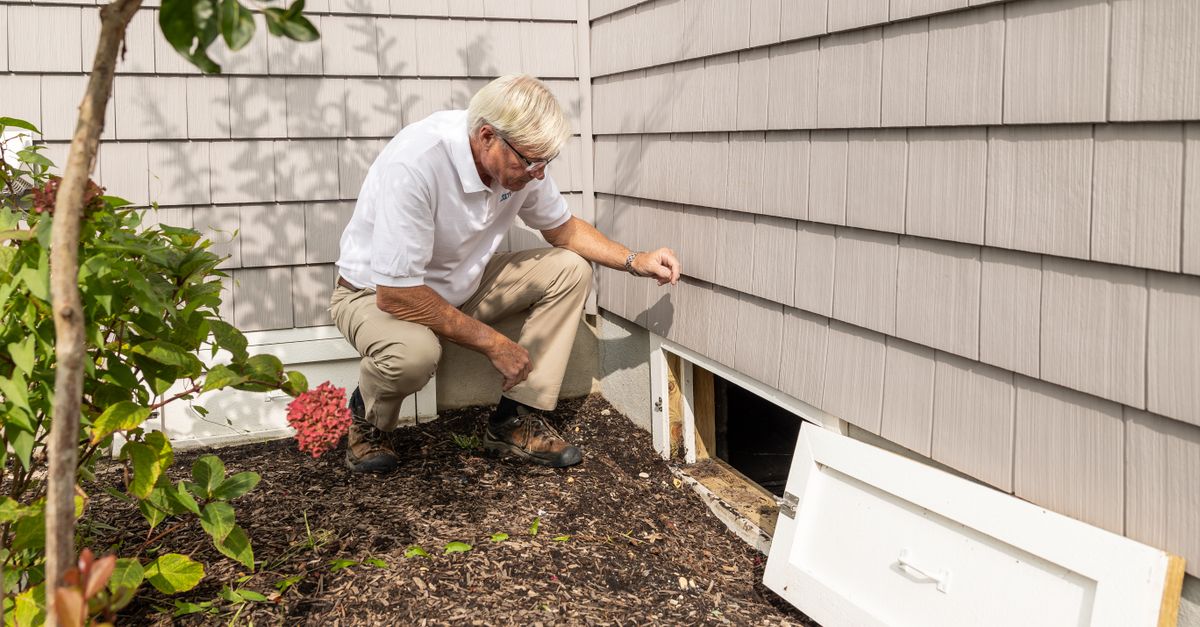
Homeowners across Dallas-Fort Worth frequently encounter musty odors coming from crawl spaces or near their foundations. This smell is almost always a sign of excess moisture, microbial growth, or both—and it can signal anything from minor drainage issues to early-stage structural concern. Carefully identifying and addressing the source is critical because musty odors may point to problems that only become more expensive with time.
For DFW homes with crawl spaces or pier and beam foundations, musty odors should never be ignored. Moisture accumulation under your home can lead to persistent mold growth, sagging floors, pest infestations, wood rot, and even structural movement. If your home has a concrete slab, a musty odor could indicate plumbing leaks or soil moisture issues affecting the slab itself. In both cases, understanding what to look for is key—and an unbiased structural evaluation from SPS Engineering provides the most reliable path to clarity and peace of mind.
Definition: What Is a Musty Crawl Space?
A musty crawl space emits a damp, stale, or moldy odor, typically caused by moisture that allows mold or mildew to grow on organic materials like wood or insulation. In DFW, this is usually triggered by water intrusion (from rain, leaks, or high humidity), inefficient drainage, or ventilation issues under the home. Foundations with recurring moisture often show more severe signs over time, so a musty odor acts as a crucial early warning system.
Direct Signs Homeowners Should Check First
- Musty odor in specific rooms or throughout the house
- Soft, bouncy, or sagging floors, particularly over crawl spaces
- Standing water or damp soil beneath the home
- Condensation on pipes or HVAC ducts in the crawl space
- Wet insulation or insulation coming loose under the floors
- Visible mold on framing, wood, or subflooring
- Pest activity (rodents or insects), often attracted by dampness
- Unexplained spikes in energy bills, due to moisture-wicking energy loss
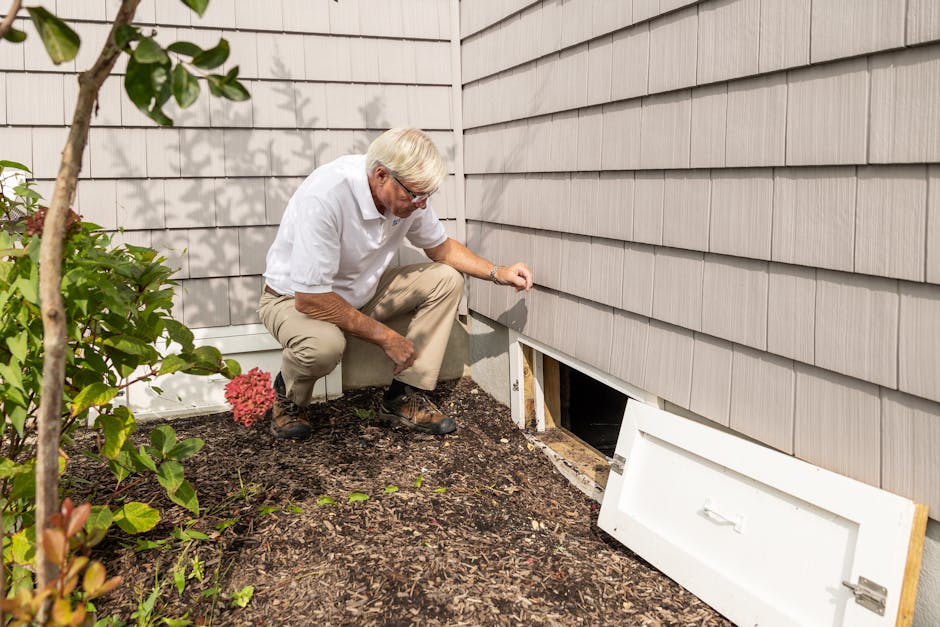
Step-by-Step Homeowner Framework: Pinpointing the Cause
1. Identify Your Foundation Type
Is your home built on a crawl space (pier and beam) or a concrete slab? This influences both where moisture accumulates and what warning signs to prioritize. For a crawl space, direct inspection is often possible. For slabs, focus on plumbing and moisture migration through soil.
2. Exterior Walkaround
- Check gutters for clogs or overflow
- Ensure downspouts discharge water several feet away from the foundation
- Look for pooled water or muddy soil near the perimeter after rain
- Assess whether the yard slopes away from the home, not toward it
For more on drainage and its impact on foundations, see Where Should Your Downspouts Drain to Protect a North Texas Foundation?
3. Crawl Space Entrance and Inspection
- From outside, sniff the air at the access point. Strong odors suggest active issues
- Look for visible water, drooping insulation, or damaged vapor barriers
- Inside, use a flashlight to spot puddles, wood staining, damp soil, or mold growth
4. Plumbing and Interior Sources
- Check under sinks, bathrooms, and utility rooms for leaks that could infiltrate beneath the floor
- Condensation on pipes/HVAC ducts may indicate high humidity within the crawl space
5. Track Humidity Levels
If possible, measure crawl space humidity. Over 60% relative humidity is favorable for mold and continual odor formation—even if you don’t see liquid water. If humidity remains high after initial drying efforts, further inspection by a structural expert is needed.
Foundation Problem or Just Moisture?
Crawl space and foundation issues often intertwine, but not all musty odors spell serious structural risk. Generally:
- Moisture problem is more likely when you have standing water, persistent odors after rain, or damp insulation, but no visible movement in floors or walls.
- Foundation problem is more likely if you see sloping floors, cracked drywall, bricks or tiles, sticking doors/windows, or the floor feels unstable—especially if these symptoms get worse over time.
A professional inspection by SPS Engineering is the definitive method to distinguish between these scenarios. Our team provides unbiased foundation evaluations and clear documentation, letting homeowners know exactly what is wrong and how to address it—without unnecessary repairs.
Common Triggers of Crawl Space Moisture and Odor in DFW
- Poor or clogged gutters keeping roof runoff near the home’s foundation
- Short or damaged downspouts depositing water by the walls
- Ineffective grading—yards that slope toward the home cause repeated perimeter saturation
- Plumbing leaks under floors, bathrooms, or laundry rooms
- High humidity periods driving moisture upwards from exposed or unsealed dirt floors
- Unsealed crawl space vents or poorly insulated foundations letting humid air inside
North Texas’s clay soils increase risks by holding water close to foundations after storms and shrinking during drought. This can speed up both moisture migration and foundation settlement.
Immediate Actions for Homeowners
- Stop active water leaks as soon as spotted.
- Document findings with photos and notes, especially after rain or plumbing incidents.
- Remove standing water, but avoid disturbing contaminated or deep water—professional help is likely needed.
- Increase airflow and begin drying within 48 hours if possible, using fans and dehumidifiers.
- Correct gutter and downspout issues immediately.
- Schedule an independent inspection from a licensed engineering firm, especially if symptoms return after initial fixes or if you see signs of structural changes.
Why DFW Crawl Spaces and Foundations Need Extra Attention
The unique climate and soils of Dallas-Fort Worth pose special challenges for homeowners. Frequent storms, high humidity, and clay-rich ground mean that even small drainage oversights can set off cycles of moisture intrusion and foundation movement. Only an objective inspection can untangle whether you face a surface-level moisture problem or a true structural risk. SPS Engineering specializes in these cases, providing reliable scope-of-work definitions and clear, unbiased documentation trusted by contractors, buyers, and real estate agents.
The SPS Engineering Approach for DFW Homeowners
- Independent, licensed evaluations. No repair sales—our mission is objective clarity.
- Detailed, tailored reports for both concrete slab and pier and beam foundations, built on-site by experienced engineers.
- Clear recommendations. Know exactly what’s necessary while avoiding scope creep or unneeded repairs.
- Professional documentation accepted in real estate and repair verification scenarios.
If you’re buying, selling, or managing repairs for your DFW home, our evaluations let you proceed with confidence even when multiple contractors offer conflicting opinions. For more on why engineer reports and repair estimates may differ, see Foundation Engineer Report vs Repair Estimate: Why the Recommendations May Differ.
Best Practices: Preventing and Responding to Crawl Space & Foundation Problems
- Keep gutters clean and confirm downspouts discharge water at least 4-6 feet from the house
- Ensure landscaping slopes away from the structure
- Check crawl spaces after significant rain or if musty smells develop
- Repair plumbing leaks quickly, especially in or near the foundation
- Don’t ignore sagging floors, bouncy spots, or wall cracks—schedule an engineering assessment right away
- Never mask musty odors with air fresheners alone. This delays problem-solving and can worsen the underlying issue
- Store foundation inspection documentation for future real estate or repair discussions
Frequently Asked Questions
What is the first thing to check if I smell mustiness in my home?
Determine your foundation type (slab, pier and beam, crawl space). Then check exterior drainage, moisture at the crawl space entrance, and interior humidity near the odor source.
Is a musty crawl space always a sign of foundation failure?
No. Musty odors often originate from moisture problems alone, but if you also notice sloping floors, cracking, or movement, it may indicate foundation issues. A professional engineering inspection determines the actual cause.
Does a musty odor in a slab home mean a slab leak?
Not necessarily. The smell could come from plumbing leaks, bathrooms, attics, or absorbed ground moisture. Locating the true source requires methodical investigation.
How fast should I act on musty crawl space smells?
Quickly. Mold can develop within 48 hours in moist environments. Immediate steps include stopping leaks and improving drainage, but follow up with a qualified inspection if symptoms persist.
Can I correct crawl space moisture myself?
You can handle gutter cleaning or basic leak repairs, but persistent standing water, high humidity, or visible mold typically require professional assessment and remediation. Encapsulation or drainage corrections should be designed by experts.
Who should evaluate my foundation or crawl space in DFW?
A licensed, independent engineering firm specializing in foundation and structural inspections, like SPS Engineering, offers unbiased, actionable reports accepted by contractors and real estate professionals in the Dallas-Fort Worth area.
Conclusion
In summary, a musty-smelling crawl space is more than an inconvenience in North Texas—it is a proactive signal that demands attention to both moisture management and foundation performance. Quick action can prevent further damage, while skipping or masking odors often leads to costlier repairs down the line. Start with basic drainage and moisture checks, and if uncertainty or structural symptoms remain, seek a professional opinion from an independent leader such as SPS Engineering. Our data-driven inspections and detailed reports ensure your home’s foundation is protected, your repairs are justified, and your investment in your property is secure. For more expert insights on foundation care and prevention, browse our related articles or contact our team today.