What Foundation Elevation Readings Can and Cannot Tell You About Your Home

Foundation elevation readings are a critical tool in assessing the performance of your home’s foundation, but they are often misunderstood or misinterpreted. In their most useful context, elevation readings provide a map of the floor’s relative heights and lows across various points of a building. However, on their own, these measurements cannot confirm foundation damage or guarantee that the foundation is currently moving. Instead, they serve as a crucial piece of evidence, to be interpreted alongside visible conditions, construction history, and expert engineering evaluation.
At SPS Engineering, our mission is to ensure that homeowners, buyers, and contractors receive not just numbers, but clear, actionable insights supported by unbiased engineering analysis. Let’s explore in depth what foundation elevation readings can and cannot reveal about your property, and why professional intervention is essential for understanding the true story beneath your floors.

Definition: What Are Foundation Elevation Readings?
Foundation elevation readings are measurements of the vertical position (height) of multiple points on a home’s floor or slab. Using a digital level, altimeter, or similar device, an inspector records differences in height between each selected point and a set benchmark (reference point), resulting in a map—or contour profile—of the slab or floor system.
- These measurements are relative, not absolute elevations above sea level.
- A reading of “-1.2” at a dining room corner simply means this point is 1.2 inches lower than the chosen benchmark in the home.
- The report typically includes a diagram showing the highest and lowest points and their respective values.
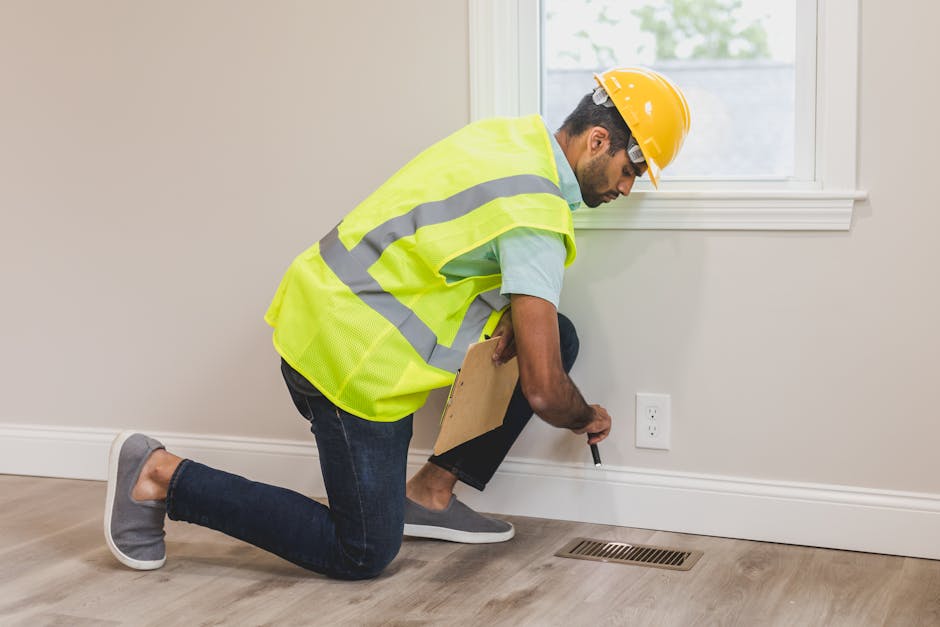
Step-by-Step: How Foundation Elevation Surveys Work
- A fixed benchmark or reference point is established, usually at an easily accessible central location.
- Measurements are recorded at strategic points throughout the structure (corners, near major load points, middle of rooms, etc.).
- The inspector notes each reading relative to the benchmark—points may be above or below this reference.
- A map, or sketch, is generated illustrating the highs, lows, and any slopes or dips in the floor profile.
- The resulting data is analyzed by a structural engineer, who considers other factors such as cracks, exterior grading, visible signs of movement, and the home’s history.
What Foundation Elevation Readings Can Tell You
When evaluated by licensed professionals such as those at SPS Engineering, foundation elevation readings offer critical clues about your home’s performance:
- Where and how much the floor varies: The contour map shows which areas of the foundation are higher or lower and by how much. For example, a noticeable slope towards one direction may indicate settlement on that side.
- Patterns of movement: Consistent lows along an exterior wall could suggest ongoing water intrusion or soil moisture issues. High points isolated in one room may indicate localized heave or plumbing-related soil swelling.
- Changes over time: By comparing two or more elevation surveys from the same reference point (taken months or years apart), you can determine if foundation movement is ongoing or has stabilized.
- Whether the floor is within typical tolerances: All homes have some floor variation due to original construction methods. Current industry standards allow up to 1.5 inches of total variation without indicating damage in many foundation types. Elevation data helps judge whether your foundation is within or outside these accepted ranges.
Key Scenarios Where Elevation Readings Are Most Useful
- During real estate transactions for buyers seeking objective documentation
- After noticing cracks, sloping floors, or sticking doors to understand possible causes
- Before and after foundation repairs to objectively verify changes and validate workmanship
- For contractors requiring engineering-backed repair plans (never base repairs solely on visual evidence)
What Foundation Elevation Readings Cannot Tell You
Despite their value, elevation readings are not a silver bullet. There are crucial limitations that every homeowner, seller, and buyer should understand:
- No direct diagnosis of the cause: Readings can indicate an area is low but cannot confirm whether the issue comes from expansive clay movement, poor drainage, plumbing leaks, tree roots, or even original construction practices. Determining exact causation requires expert structural and site evaluation.
- No direct proof of damage: A low reading does not guarantee a structural problem exists just as a high reading does not ensure slab heave. The meaning of these numbers must be tied to visible signs, soil type, foundation history, and engineering interpretation.
- Cannot show movement history by themselves: A single survey is a snapshot in time. Only by comparing sequential surveys can you confirm whether the condition is active or historic.
- Not all issues show up in elevation data: A home may exhibit only minor elevation changes but still experience significant structural problems such as wall cracks, water intrusion, or framing shifts. Conversely, a large elevation spread could be benign for certain foundation designs or tolerances.
- Cannot replace a full inspection: Elevation maps help inform the evaluation, but comprehensive investigation also includes reviewing cracks, drainage, exterior grading, and the home’s full repair and maintenance history.
How to Interpret Elevation Surveys Without Overreacting
The most important insight is to avoid focusing solely on the single lowest number. Instead, examine:
- The range (difference between the highest and lowest points)
- The overall pattern (isolated dip versus general slope)
- Any correlation with observed symptoms—for example, cracks above a low point
- Comparison to prior surveys to check for ongoing movement
- If the variation is within typical construction tolerance, or if it exceeds that, possibly signaling structural concerns
Common Homeowner Mistakes with Elevation Reports
- Assuming every negative number means recent settlement: Remember, it just means that point is lower than the reference point—cause is undetermined without deeper analysis.
- Assuming the lowest spot is automatically a problem: Sometimes original construction created minor depressions that are stable and show no structural issue.
- Believing one survey tells the whole story: Only sequential elevation logs can confirm active movement. A single snapshot may reflect old, stabilized settlement.
Best Practices for Getting Foundation Elevation Readings Interpreted
- Always involve licensed structural engineers, like those at SPS Engineering, who bring depth of field experience, technical training, and a commitment to unbiased evaluations.
- Combine elevation data with thorough physical inspection—look for cracks, stuck doors, sloping, and drainage issues.
- Document initial readings and repeat after changes (weather events, repairs, significant time passing) to capture any ongoing movement.
- Choose independent evaluators who have no financial stake in recommending repairs.
- Ask your engineer for a clear explanation of their findings, including possible causes, whether the home’s variation is typical or unusual, and recommended next steps.
SPS Engineering’s Approach to Elevation Readings
At SPS Engineering, our team specializes in delivering factual assessment and clear, unbiased interpretation for foundation elevation surveys throughout the Dallas-Fort Worth region. Our independence means we do not profit from recommending unnecessary repairs. Our reports include:
- An objective, third-party mapping of your foundation’s contours and variations
- Thorough field inspection (slab-on-grade, pier and beam, etc.)
- Clear guidance on whether observed issues are within tolerance, require monitoring, or indicate structural concern
- Concrete next steps, such as further observation, engineering consultation, or specific repair recommendations based on combined data
- Trusted documentation, supporting real estate transactions or repair negotiations
You can choose from our Concrete Slab Foundation Report or Pier and Beam Foundation Report, tailored to your home's foundation type and specific needs. Booking is fast and transparent to help you gain the clarity you need.

Real-World Application: Why Context Matters
Imagine a homeowner who receives an elevation map with a 1.1-inch drop at the back right corner and 0.9-inch change across the house. Without context, it may seem alarming. But professional evaluation reveals this variation is within the original construction tolerance, confirmed by stable wall finishes and no active cracking. In another home, a similar drop might be accompanied by diagonal wall cracks and sticking doors—these need more urgent action. This is where the experience and judgment of an engineering team like SPS Engineering are essential.
More on Foundation Performance and Related Concerns
If you are interested in broader foundation issues affecting DFW homes—such as inspections before buying a house, why new homes develop foundation problems, or identifying musty crawl space warning signs—see our in-depth guides.
Frequently Asked Questions
What does it mean if my floor shows a 2-inch variation?
A 2-inch difference between the highest and lowest points on elevation readings may be outside typical construction tolerance for many homes. However, this does not independently diagnose structural failure. An expert review is needed to interpret the variation in light of the foundation type, property age, symptoms (like cracks), and repair history.
Can one elevation survey tell me if my foundation is moving?
No. A single survey only captures one moment in time. Only by comparing two or more surveys, taken from the same reference point and at different times, can you confirm whether the foundation is stable or still experiencing movement.
Do low readings prove my house needs foundation repair?
Not necessarily. Low points may reflect historic settlement, original construction conditions, or benign soil movement. Only a comprehensive evaluation, including physical inspection and engineering interpretation, can determine if repairs are warranted.
Should I worry if my home inspector notes some minor slope?
Most slab-on-grade and pier and beam homes have some normal variation in the floor. Significant action is usually only needed if the variation is outside of typical tolerance or is accompanied by other signs of distress (large cracks, unlevel trim, water intrusion).
Who should interpret my foundation elevation report?
Foundation elevation data should always be interpreted by a licensed structural engineer with no conflict of interest. At SPS Engineering, you receive an independent, unbiased assessment tailored to your type of foundation and local conditions.
Conclusion: A Critical Tool—Within the Right Hands
Foundation elevation readings are one of the most valuable tools available for understanding your home’s condition, but raw numbers can mislead without trained eyes and thorough context. At SPS Engineering, our goal is to ensure every homeowner, buyer, or contractor in the Dallas-Fort Worth area receives not only accurate measurements, but clear guidance grounded in real-world engineering expertise. If you have concerns about your foundation, visible signs of distress, or need reliable documentation for a transaction, contact us today for independent consultation and peace of mind you can trust.