What Happens to Your Foundation When DFW Drought Ends With Heavy Rain?
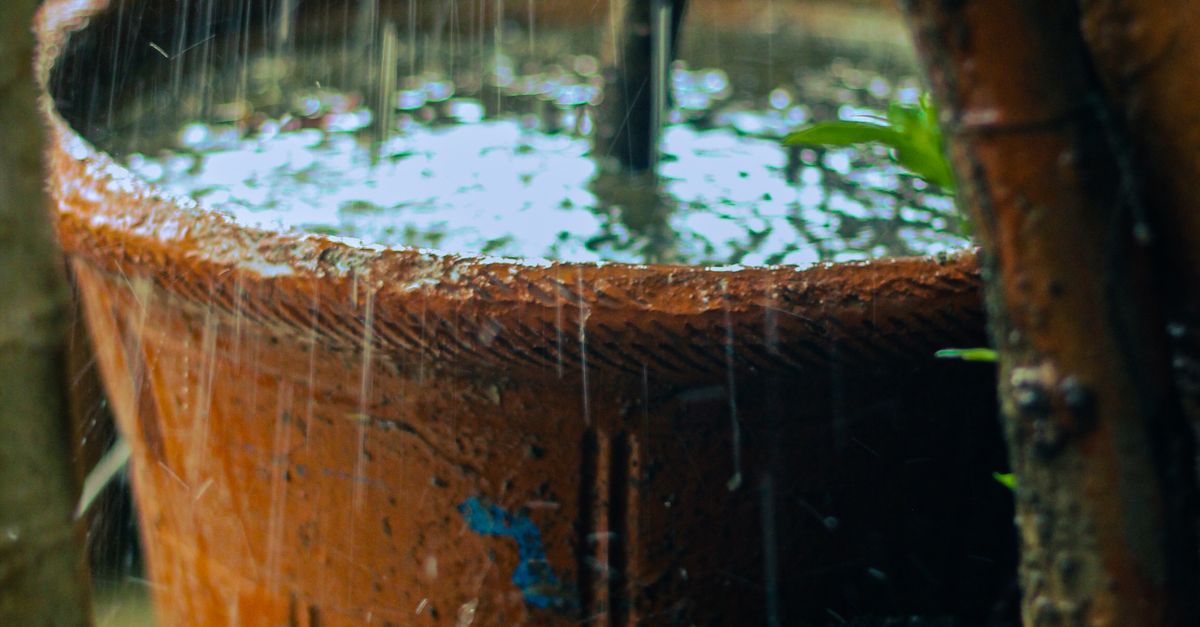
When the long DFW drought finally breaks with a period of heavy rain, foundations in North Texas homes face a unique and serious risk. Dry, clay-rich soils common throughout the Dallas-Fort Worth Metroplex shrink significantly during extended drought, pulling away from home foundations and reducing their structural support. When substantial rain returns, that same clay soil rapidly rehydrates, swells, and pushes unevenly against the structure, creating intense new movement. This dramatic swing in moisture is one of the most common causes of foundation movement, cracking, and uneven settlement we diagnose in the region.
As expert engineers serving Dallas, Fort Worth, and the surrounding communities, SPS Engineering is frequently called after droughts followed by heavy rainstorms, as homeowners notice new cracks, doors that suddenly stick, or floors that no longer feel level. If you've experienced these weather conditions, it is not the drought itself or the rain alone that threatens your home, but the rapid change between the two, which places extreme, uneven stress on even well-constructed concrete slab and pier and beam foundations.
Definition: Foundation Stress During Drought and Rain Cycles in DFW
"Foundation movement" refers to the shifting, settlement, or heaving of a home's structural base (slab-on-grade, pier and beam, etc.) caused by changes in soil moisture content beneath and around the foundation. In the Dallas-Fort Worth area, the predominance of expansive clay soils makes these cycles more intense and hazardous. During droughts, desiccated earth loses volume and support capacity, while heavy or prolonged rainfall makes the same soil expand dramatically, pressing or lifting the foundation in unpredictable ways.
Step-by-Step: What Happens to Your Foundation When Drought Ends With Rain
- Soil Shrinkage During Drought: As soil dries, it shrinks and recedes from the foundation. Voids may form, undermining uniform support.
- Foundation Drop or Settlement: Parts of the foundation may settle into these newly formed gaps, causing uneven movement known as differential settlement.
- Heavy Rain Returns: Rain soaks the dry earth. Expansive clay rapidly absorbs water, increases in volume, and may push back against the foundation or cause parts of it to rise (heave).
- Sudden Foundation Shifts: The result is a combination of swelling, tilting, and continued settlement in different areas. These opposing forces are a major source of cracks, unlevel floors, and sticking doors/windows.
Common Damage and Warning Signs After Drought Ends With Heavy Rain
- Differential settlement: One section of your foundation drops more than another as dry soil leaves gaps, risking serious alignment shifts.
- Heave (upward or sideways movement): Sudden soil expansion can lift or push sections of your foundation, causing further cracking.
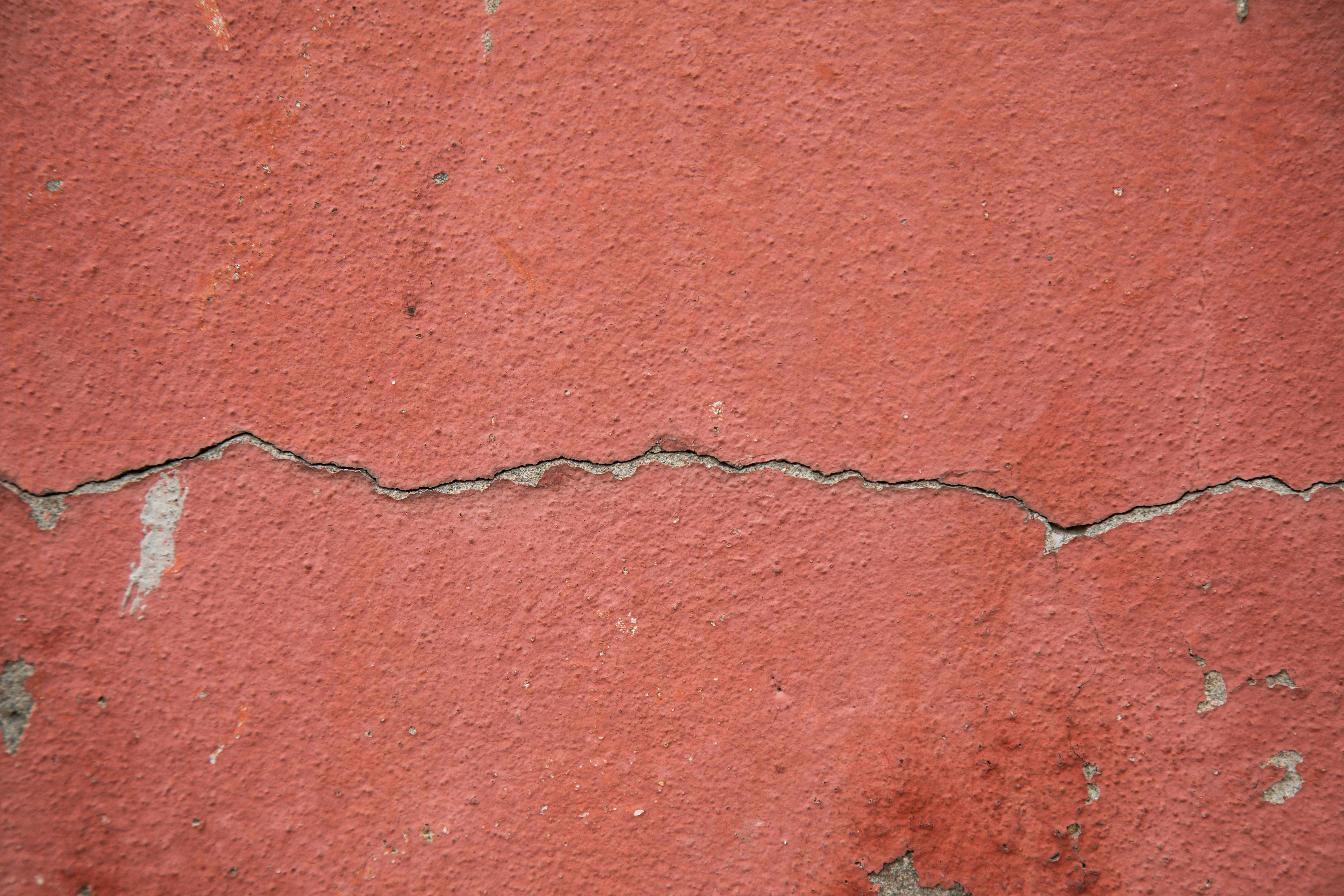
- Cracking: Watch for fresh diagonal cracks near windows, doors, or exterior bricks, and for cracks in drywall/plaster that widen after rain events.
- Door and window misalignment: Interior frames may rack, resulting in sticky or misfitting doors and windows that previously worked smoothly.
- Sloping or uneven floors: Floors may develop a noticeable slope, high/low spots, or feel bouncy or less stable inside your home.
- Gaps or separations: Especially at ceiling lines, wall intersections, or baseboards, newly visible gaps are signs of foundation movement.

Why Damage Escalates in DFW's Clay Soils
North Texas clay absorbs and releases moisture more aggressively than most soils. Some local clays can expand or contract by up to 30 percent between wet and dry extremes, making foundation movement frequent and sometimes severe. Much of the damage is not visible until after the drought gives way to heavy rainfall—then problems like cracks and out-of-level floors often appear or worsen quickly.
Best Practices: What Homeowners Should Do When Drought Ends
- Inspect carefully inside and out: Check foundations, floors, walls, windows, and doors for fresh cracks, unevenness, or movement.
- Evaluate drainage: Ensure gutters, downspouts, and yard grading effectively channel water away from the home’s perimeter. Poor drainage can make post-drought heaving even worse.
- Document all changes: Take dated photos of new cracks, gaps, or floor sloping to track developments over time.
- Maintain moisture consistency: When possible, use soaker hoses during drought to minimize extreme shrinkage and expansion. Place hoses 12 to 18 inches from your home’s edge, and water regularly (but never overwater, as this creates other risks).
- Contact a foundation expert for a professional evaluation if: Cracks are widening, doors are becoming harder to open or shut, or evidence of structural damage is growing. A licensed engineering inspection will distinguish cosmetic movement from problems requiring repair.
When to Be More Concerned
- Widening diagonal cracks across drywall or brick
- Sloped or noticeably changing floors
- Persistent door/window misalignment
- Separation at ceilings, baseboards, or wall joints that was not previously present
If any of the above worsen after a wet event, do not delay: structural movement can accelerate as soils repeatedly expand and contract after rains.
How SPS Engineering Addresses Post-Drought Foundation Movement
SPS Engineering specializes in independent, data-driven foundation inspections and structural assessments throughout DFW. As a third-party engineering provider, our sole focus is identifying the true cause and scope of movement—without any financial interest in the recommended repairs. Homeowners, real estate agents, and contractors trust us for unbiased evaluation, engineering reports, and defensible documentation.
For homes with concrete slab foundations, we offer an expert Concrete Slab Foundation Report. Pier and beam homeowners can schedule an in-depth Pier and Beam Foundation Report. These evaluations clarify whether observed movement is minor, moderate, or warrants structural repair, and how best to prevent further damage.
After the cycle of drought followed by intense rain, a professional engineering inspection is strongly advised because surface cracks alone don't always reveal underlying structural risk. Our approach details what truly needs to be addressed—and what doesn't, so you can avoid unnecessary or misdirected repairs.
Structural Foundation Care: A Best-Practices Framework
- Respond quickly to new movement after a drought ends with rain—early intervention prevents bigger problems.
- Monitor, document, and check cracks regularly for spreading or shifting.
- Correct drainage issues to keep water flowing away from your home’s perimeter year-round.
- Consult engineering experts for data-backed diagnosis—never rely solely on repair contractor bids without unbiased structural input.
- Keep copies of all inspection reports for use during home sale, insurance claims, or future repairs.
Additional Resources for DFW Homeowners
- For an overview of foundation types in DFW and their respective risks, see Concrete Slab vs Pier and Beam Foundations: What DFW Homeowners Should Know.
- If you’re preparing for property transactions, find out when to order a pre-sale foundation inspection.
- For practical maintenance advice, refer to our Foundation Maintenance Checklist.
- For summer-specific foundation risk, view our coverage on How Summer Heatwaves Impact Foundation Stability in Dallas-Fort Worth.
FAQ: Foundation Risks and Inspections After Drought and Rain in DFW
What are the first signs my foundation is moving after drought and rain?
Subtle new cracks at the corners of doors or windows, widened brick joints, and even suddenly sticking doors are all signs of foundation movement. Floor sloping or visible separation at walls, ceilings, or baseboards may also appear.
Can foundation cracks heal themselves once the soil moisture stabilizes?
No. While some minor cracks may cease to grow when soils rehydrate, true structural cracks and movement will not repair on their own and must be evaluated by a licensed engineer to determine severity and best next steps.
When is it urgent to get a professional inspection?
A professional inspection should be scheduled as soon as doors or windows become difficult to operate, cracks widen or form quickly, or floors show pronounced sloping. Engineers distinguish between cosmetic and structural movement, which helps prioritize responsible care.
How can I prevent future drought-related foundation issues?
Maintain even soil moisture around the home with careful watering during drought, correct any drainage problems, inspect for movement after weather changes, and schedule regular foundation evaluations to catch risk early.
Why choose an engineering inspection over a free contractor estimate?
While some repair firms offer free estimates, their recommendations often align with their repair services. An engineering inspection by SPS Engineering is unbiased and provides clear, honest scope and diagnostics, so you avoid unnecessary costs and confusion.
Conclusion
Drought breaking with heavy rain is a crucial stress test for Dallas-Fort Worth home foundations, particularly with our expansive clay soils. Foundation damage from this weather pattern can emerge suddenly and grow worse over weeks or months. The safest, most effective way to safeguard your property is through timely professional inspection, clear documentation, and proactive maintenance. At SPS Engineering, our foundation engineers are ready to offer trusted, third-party inspections and data-driven guidance you can rely on during every Texas weather cycle. If you're noticing new cracks or settling after a drought ends with rain, get in touch to protect your home’s structural integrity now and for seasons to come.