How Do You Know a Foundation Repair Was Completed Correctly?

Verifying that your foundation repair was completed correctly is essential for safeguarding your property's stability, protecting your investment, and ensuring future peace of mind. A properly executed foundation repair is about more than just visible improvements or sealed cracks—it’s about meeting the agreed scope of work, providing objective documentation, and demonstrating structural stability through ongoing performance. For homeowners, contractors, or real estate professionals in the Dallas-Fort Worth Metroplex, engaging with an independent, unbiased source like SPS Engineering is the gold standard for unbiased verification and trusted documentation.
Foundation Repair Completion: What Does “Correctly Done” Mean?
A completed foundation repair has met both the technical and documentation requirements of the original engineering plan or scope of work. This includes:
- All specified repair elements (piers, beams, drainage systems, or reinforcements) are installed as per the contract and engineering report.
- Structural movement has been arrested or sufficiently stabilized in the repaired areas.
- Underlying causes such as drainage or plumbing issues have been addressed, not just cosmetic symptoms.
- Clear, comprehensive documentation supports what work was done, where, and how it was evaluated.
True repair success is measured by lasting performance, not just initial appearance. Cracks may persist after stabilization, but recurrent cracking, persistent sticking doors, or new gaps may signal deeper issues needing further attention.
Definition: What Is a Foundation Repair Verification?
A foundation repair verification is a systematic, post-repair inspection—often conducted by an independent engineering firm such as SPS Engineering—that confirms repairs were completed as specified, documents all work, assesses changes against pre-repair conditions, and evaluates whether established functional goals (like stabilization or controlled lift) were achieved.
Step-by-Step: How to Verify Foundation Repair Was Completed Correctly

1. Compare the Completed Work Against the Scope of Repairs
Carefully review the original engineering report, proposal, contract, and any repair diagrams:
- Verify the number, type, and locations of piers, piles, reinforcements, or drainage improvements match what was contracted.
- Check for any approved changes or additions—a reputable company provides documentation for any modifications in scope.
If SPS Engineering was engaged pre-repair, compare work against their independent recommendations for the most objective assessment.
2. Request and Organize All Foundation Repair Documentation
Maintain a digital and physical folder of these documents:
- Original foundation engineering report and pre-repair elevation readings (if available)
- Engineering-approved repair plan and layout diagrams
- Photos taken before, during, and after repairs
- Signed contract, invoices, and proof of payment
- Final elevation readings, recorded by date and location
- Completion certificates, engineer’s letters, and warranty paperwork
- Permits and municipal inspection sign-offs (where applicable)
- Any drainage or plumbing test results if relevant to the repairs
Documentation should identify the exact property, date, responsible parties, and describe any limitations or inaccessible areas.
3. Assess Objective Measurements: Elevation Readings and Monitoring
Foundation movement is not always visible. Rely on documented floor elevation readings and monitoring over time, not just how the home looks or feels. Key indicators for evaluation include:
- Comparisons of before-and-after measurements at the same locations
- Evidence of reduced or stabilized differential movement
- Identification of highest and lowest points within the structure
- Note of any areas with restricted access or incomplete measurement due to finishes, furniture, or construction conditions
For more on this process, see: What Foundation Elevation Readings Can and Cannot Tell You About Your Home.
4. Inspect for Functional Improvements and Lingering Issues
Conduct a before-and-after comparison walk-through using pre-repair photos:
- Test all previously affected doors and windows—do they open and close smoothly?
- Look for new or recurring drywall, ceiling, or trim cracks inside the home
- Check floors near repaired sections for abnormal sloping, bounce, or unevenness
- Assess exterior walls (brick, stucco, siding) for cracks or separation near repaired areas
- Inspect foundation perimeter for new gaps between soil and structure, especially after rain
- Be alert for evidence of untreated moisture issues or plumbing leaks
While operation of doors and windows or improvement in floor slopes is encouraging, functional improvement alone is not a guarantee of comprehensive repair.
5. Confirm Water, Drainage, and Soil Conditions Were Addressed
Particularly in North Texas, failing to remedy drainage or moisture issues can undermine even well-executed structural repairs. After repairs, confirm the following:
- All gutters, downspouts, and grading direct water away from the foundation
- No standing water or ponding near the repaired area
- Irrigation heads or air conditioning condensate do not discharge against slab or piers
- Plumbing leaks identified or suspected in the repair area are tested and resolved
For specifics on protecting foundations from drainage issues, see: Where Should Your Downspouts Drain to Protect a North Texas Foundation?
6. Review Warranty Terms and Transferability
Examine the warranty in detail:
- Does it cover only the repaired system or the entire foundation?
- Are new issues, future movement, or related systems excluded?
- Are there requirements for owner maintenance or periodic inspections?
- Can the warranty be transferred to a subsequent buyer, and under what terms?
Keep warranty paperwork attached to the repair map and final invoice for any future transactions or questions.
7. Schedule an Independent Post-Repair Inspection
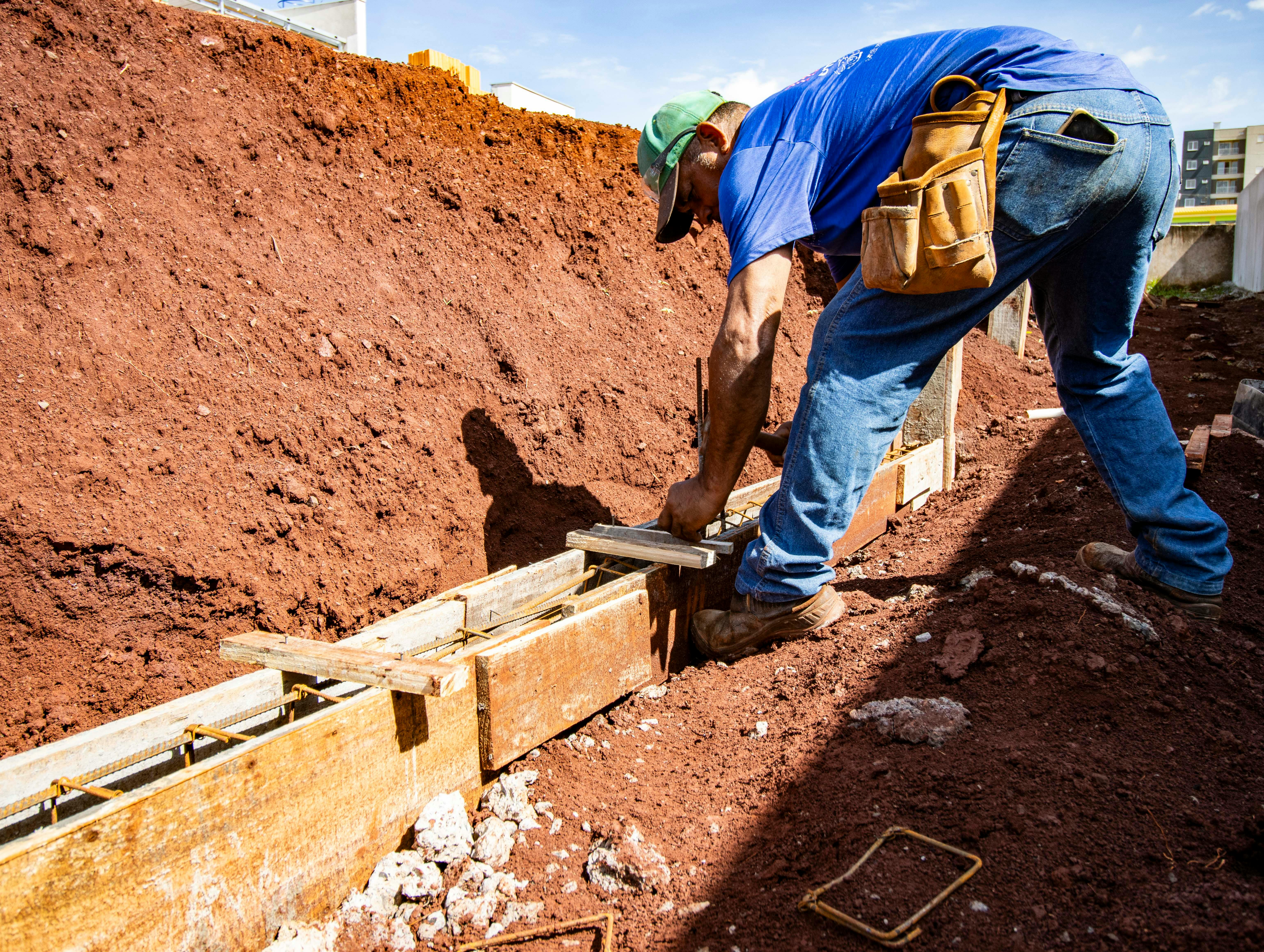
For complete confidence, arrange a third-party post-repair inspection, especially if:
- The contractor’s scope changed mid-project
- Documentation is incomplete or deviates from the plan
- Issues recur (such as cracks, sticking doors, or new symptoms)
- You’re buying or selling a property with a repair history
SPS Engineering specializes in these independent verifications, providing peace of mind through clear evaluation and expert recommendations. Their Concrete Slab Foundation Report and Pier and Beam Foundation Report offer detailed, engineer-backed insights into the state of your repair—both available as stand-alone services.
8. Continue Monitoring After Completion
- Use dated photos to record interior and exterior repair sites immediately after work, then again at 7, 30, and 180 days
- Retest known problem doors and windows regularly
- Monitor for new cracks, soil settlement, or movement through seasonal changes
- Contact the repair contractor or an independent engineer like SPS Engineering if new or worsening symptoms develop
A systematic monitoring approach helps distinguish normal seasonal movement from systemic failures, and ensures issues are documented for warranty or resale purposes.
Warning Signs That Need Further Investigation
- Cracks that reopen or grow wider after completion
- New stair-step cracks in interior or exterior masonry
- Persistently out-of-plumb doors or windows
- Soft, unstable, or noticeably sloping floors remaining after repair
- Water pooling beside or under the foundation
- Inconsistent or missing repair documentation
If you encounter any of these, promptly consult your repair contractor and consider an independent engineering evaluation from a firm like SPS Engineering.
Foundation Repair Verification FAQ
How soon should I schedule a post-repair inspection?
It’s advisable to schedule an independent inspection shortly after work is completed—ideally within the first 30 days, before making major cosmetic repairs but after the initial post-repair adjustments have settled. This helps document results and spot early recurrence of problems.
Is a warranty alone enough proof of successful repair?
No, a warranty is only valid if supported by documentation and a clear record of what repairs were performed. Without engineering reports, elevation data, and photographs, future claims or resale value may be at risk.
Can I trust the repair company’s post-repair report?
While many repair contractors provide honest documentation, their financial interest in the outcome may cause a conflict of interest. An independent inspection from a specialist like SPS Engineering offers an objective, third-party perspective you can trust.
What if visible cracks remain even after repairs?
Some cracks do not close completely, even after structural stability is restored. Consult your engineer to interpret which cracks are structural and which are cosmetic. If cracks continue to widen or reappear, further evaluation is warranted.
Do I always need an engineer to check repair work?
While not legally required for every situation, involving a licensed engineering firm ensures your repair investment is validated by professional expertise—especially important for complex cases, changes in repair scope, real estate transactions, or recurring issues.
Can I use pre-repair elevation readings to validate results?
Yes. Comparing pre- and post-repair elevation data is one of the most reliable methods of documenting success or identifying residual movement. For more detailed guidance, see our internal article on foundation elevation readings.
What documentation should I provide for warranty transfers or home sales?
Maintain all engineering reports, pier or repair maps, invoices, contracts, photographs, and warranty paperwork. This documentation streamlines real estate transactions and supports any future warranty claims.
Best Practices for Ensuring a Quality Foundation Repair Outcome
- Hire only licensed, reputable repair contractors and never rely on verbal promises for scope or warranty.
- Engage an independent engineering firm, such as SPS Engineering, for structural analysis and scope recommendations before accepting bids.
- Compare completed work directly against the documented scope, not mere appearance.
- Request all documentation, including elevation readings, maps, and before-and-after photographs.
- Maintain open communication with repair professionals, and don’t hesitate to request clarification on any discrepancies.
- Continue monitoring repaired areas seasonally and contact your engineer if new movement is detected.
Conclusion
Ensuring that your foundation repair has been completed correctly is a multi-step process requiring careful documentation, physical assessment, and objective verification—especially given the unique soil challenges of North Texas. SPS Engineering's licensed engineers provide comprehensive independent assessments, reports, and post-repair verifications for homeowners, contractors, and real estate professionals seeking clarity and confidence in all foundation work. Whether you need a detailed Concrete Slab Foundation Report or an in-depth Pier and Beam Foundation Report, our team delivers the insights you need to make informed decisions—and protect your most valuable asset for years to come.
Ready for objective, data-driven answers on your home’s foundation? Contact SPS Engineering to schedule a consultation and take the first step toward structural confidence.